

Meiosis and mitosis are fundamental processes that govern cell division, each playing crucial roles in different aspects of life. One intriguing question that has puzzled scientists for years is: what event occurs in meiosis but not mitosis? To unravel this mystery, we delve into the intricate world of cellular division to understand the key differences between these two processes. Meiosis, the specialized cell division process for sexual reproduction, involves unique events such as crossing over and the reduction of chromosome number. In contrast, mitosis is responsible for growth, repair, and asexual reproduction but lacks the genetic diversity introduced by meiosis. Join us as we explore the fascinating realm of cell division and uncover the defining features that set meiosis apart from mitosis.
Understanding Meiosis and Mitosis
Meiosis and mitosis are both essential processes involved in cell division, but they differ in their outcomes and functions. Meiosis is a type of cell division that occurs in sexually reproducing organisms to produce gametes, while mitosis is a process that leads to the formation of two identical daughter cells.
Differences Between Meiosis and Mitosis
One key event that occurs in meiosis but not in mitosis is the process of genetic recombination or crossing over. During meiosis, homologous chromosomes exchange genetic material, resulting in increased genetic diversity in the offspring. This unique event contributes to the variability seen in sexually reproducing organisms.
On the other hand, mitosis involves the division of somatic cells to ensure growth, repair, and asexual reproduction. Mitosis produces two identical daughter cells with the same genetic information as the parent cell, maintaining genetic continuity.
Significance of Meiosis and Mitosis in Biological Processes
Meiosis plays a crucial role in sexual reproduction by generating haploid gametes with half the number of chromosomes, which is necessary for fertilization and the formation of a new individual. In contrast, mitosis contributes to growth, tissue repair, and the maintenance of the body’s cell populations.
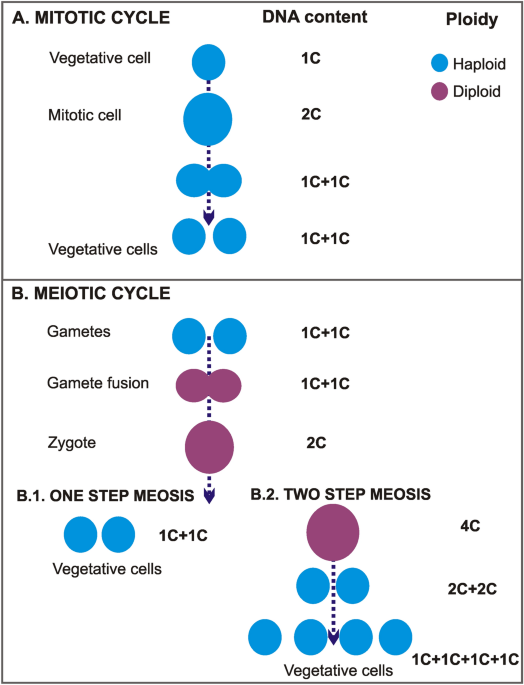
Differences in Meiosis and Mitosis
Meiosis and mitosis are both essential processes for cell division, but they have key differences that define their roles in the body.
Genetic Diversity
In meiosis, genetic diversity is increased through the process of crossing over, where homologous chromosomes exchange genetic material throughout the process. This event allows for the shuffling of genes, promoting genetic variability in offspring. This crucial event occurs in meiosis but not in mitosis, where genetic material is an exact copy of the parent cell.
Number of Cell Divisions
Another significant difference lies in the number of cell divisions. Meiosis involves two rounds of cellular division, resulting in the formation of four haploid cells with half the number of chromosomes, while mitosis only involves one round of division, resulting in two diploid cells with the same number of chromosomes as the parent cell.
Role in Organisms
Meiosis is crucial for sexual reproduction due to its role in producing gametes with genetic variability essential for offspring. Mitosis, on the other hand, plays a vital role in growth, repair, and asexual reproduction where genetic identity is maintained.
Key Event Unique to Meiosis
In meiosis, a unique event called ‘crossing over’ occurs, setting it apart from mitosis. This crucial process occurs during prophase I of meiosis I and involves the exchange of genetic material between homologous chromosomes.
Crossing Over Process
During crossing over, sections of chromatids break off and reattach to the other chromatid. This exchange results in genetic recombination, creating genetic diversity among offspring.
This exchange is essential for the proper separation of homologous chromosomes during meiosis.
Significance of Crossing Over
Crossing over plays a vital role in increasing genetic variation within a population. This genetic reshuffling enhances the adaptability and evolutionary potential of a species.
- **Lorem ipsum dolor sit amet**, consectetur adipiscing elit.
- **Pellentesque habitant morbi tristique**, senectus et netus et malesuada fames ac turpis egestas.

Significance of the Unique Event
During meiosis, a unique event known as genetic recombination occurs, which distinguishes it from mitosis. This process involves the swapping of genetic material between homologous chromosomes, leading to the creation of genetically diverse offspring. While mitosis preserves the genetic makeup of the parent cell, meiosis plays a crucial role in genetic variation and evolution.
Importance in Evolution
Genetic recombination in meiosis is vital for the survival of species as it introduces new gene combinations into the population. This genetic diversity enhances the adaptability of organisms to changing environments and provides a greater chance of species survival.
Role in Genetic Inheritance
Furthermore, genetic recombination plays a significant role in genetic inheritance. By shuffling genetic material, meiosis ensures that each offspring receives a unique set of genes from their parents, contributing to the genetic uniqueness of individuals within a species.
Examples of the Event in Meiosis
Meiosis involves several key events that distinguish it from mitosis. One such event is crossing over, also known as genetic recombination. This process occurs during Prophase I of meiosis and involves the exchange of genetic material between homologous chromosomes. This results in the creation of genetic variability among offspring.
Crossing Over
During crossing over, sections of chromatids are exchanged between homologous chromosomes, leading to the formation of unique combinations of alleles. This genetic reshuffling enhances genetic diversity in sexually reproducing organisms.
This process is crucial for creating unique genetic combinations and contributes to the variability seen in offspring.
Independent Assortment
Independent assortment is another event specific to meiosis. This process occurs during Anaphase I when homologous chromosomes separate and are randomly distributed to daughter cells. As a result, each daughter cell receives a unique combination of chromosomes, further increasing genetic diversity.
- Independent assortment plays a significant role in generating genetic variability within a population.
- This phenomenon contributes to the uniqueness of individuals and promotes evolutionary success.
Frequently Asked Questions
-
- What is the main difference between meiosis and mitosis?
- The main difference between meiosis and mitosis is that meiosis is a type of cell division that occurs to produce gametes (sex cells) with half the number of chromosomes, while mitosis is a type of cell division that produces two identical daughter cells with the same number of chromosomes as the parent cell.
-
- What event occurs in meiosis but not in mitosis?
- One event that occurs in meiosis but not in mitosis is crossing over, also known as genetic recombination. During crossing over in meiosis, homologous chromosomes exchange genetic material, leading to genetic diversity among the offspring. This does not occur in mitosis.
-
- How many divisions occur in meiosis compared to mitosis?
- Meiosis involves two rounds of cell division, called meiosis I and meiosis II, resulting in the formation of four haploid daughter cells. In contrast, mitosis involves one round of cell division, producing two diploid daughter cells that are genetically identical to the parent cell.
-
- Why is meiosis important?
- Meiosis is important because it is the process responsible for generating gametes (sperm and egg cells) with half the number of chromosomes as the parent cell. This reduction in chromosome number is essential for sexual reproduction and ensuring genetic diversity among offspring.
Unlocking the Differences: A Recap of Meiosis vs. Mitosis
In conclusion, the key difference between meiosis and mitosis lies in the unique event that occurs in meiosis but not in mitosis – the crossing over of genetic material during prophase I. This fundamental process contributes to genetic diversity by shuffling genetic information between homologous chromosomes, ensuring that each resulting gamete is genetically distinct. Understanding this event sheds light on why meiosis leads to the formation of haploid cells with genetic variability, while mitosis results in the production of genetically identical diploid cells. By unraveling this crucial dissimilarity, we gain a deeper appreciation for the intricate mechanisms underlying cell division and hereditary inheritance.