
The Cold War, a tense period of political and military rivalry between the United States and the Soviet Union, dominated global affairs for decades. However, as the 20th century drew to a close, a pivotal moment emerged that would ultimately bring this era of hostility to an end. In this blog, we delve into the question that has intrigued historians and analysts for years: what event signaled the end of the Cold War? By examining the key players, diplomatic negotiations, and strategic decisions of the time, we aim to unearth the turning point that led to the thawing of relations and the fall of the Iron Curtain. Join us on a journey through history as we uncover the defining moment that reshaped the geopolitical landscape.
Introduction: Understanding the Significance of the Cold War
The Cold War was a period of geopolitical tension between the Soviet Union and the United States that lasted from the mid-20th century until the early 1990s. It shaped global politics, economics, and military strategies during this time, influencing international relations and alliances.
The Beginning of the Cold War
After World War II, the ideological differences between the capitalist West led by the U.S. and the communist East led by the Soviet Union sparked the Cold War. The fear of nuclear warfare and the spread of communism were central to this conflict.
The tension reached its peak during the Cuban Missile Crisis in 1962 and manifested in proxy wars in various parts of the world, such as the Korean War and the Vietnam War.
The Evolution of the Cold War
Throughout the Cold War, both superpowers engaged in a global power struggle, competing for influence in different regions. The arms race, space race, and espionage activities were prominent features of this period.
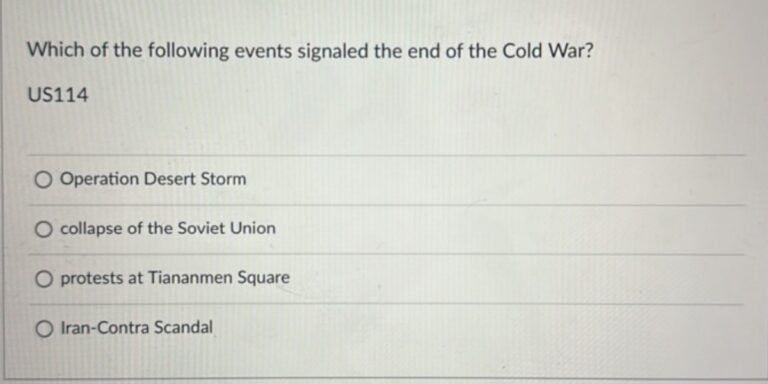
The year 1991 marked a significant turning point in history as the collapse of the Soviet Union signaled the end of the Cold War. This event reshaped the geopolitical landscape and brought an end to decades of intense rivalry and tension between the two superpowers.
1991“>
The Cold War: A Historical Context
The Cold War, which lasted from the late 1940s to the early 1990s, was a period of geopolitical tension between the United States, its NATO allies, and the Soviet Union and its allies. The conflict was characterized by political, economic, and military competition, as well as proxy wars fought around the world.
Origins of the Cold War
Following World War II, the relationship between the US and the Soviet Union deteriorated due to ideological differences and conflicting post-war plans. The division of Europe into Eastern and Western blocs set the stage for the Cold War.
The Yalta Conference in 1945 played a significant role in shaping post-war Europe, with the emergence of the Iron Curtain becoming a defining feature of the Cold War era.
The Cuban Missile Crisis
The Cuban Missile Crisis in 1962 brought the world to the brink of nuclear war. Tensions peaked when the US discovered that the Soviet Union was installing nuclear missiles in Cuba, leading to a standoff and intense negotiations.
- The crisis ended when the Soviet Union agreed to remove its missiles from Cuba in exchange for the US removing missiles from Turkey.

Key Players and Events During the Cold War
The Cold War was a period of geopolitical tension between the United States and the Soviet Union, lasting from the mid-20th century. Key players in the Cold War included political leaders such as President Ronald Reagan, General Secretary Mikhail Gorbachev, and President John F. Kennedy.
Events That Shaped the Cold War
Several events defined the Cold War period, including the construction of the Berlin Wall in 1961 as a physical symbol of the divide between East and West. This barrier stood as a stark representation of the ideological differences between the two superpowers.
The Cuban Missile Crisis in 1962 brought the world to the brink of nuclear war when the US discovered Soviet missiles in Cuba. Tensions were high, and the world watched anxiously as the two nations engaged in a standoff.
What Event Signaled the End of the Cold War?
One significant event that signaled the end of the Cold War was the fall of the Berlin Wall in 1989. This event marked a symbolic end to the division between East and West, paving the way for the reunification of Germany and the eventual collapse of the Soviet Union.

Tensions and Conflicts Leading to the End
The end of the Cold War was marked by a culmination of tensions and conflicts that had been brewing for decades. One of the key events that signaled the beginning of the end was the fall of the Berlin Wall in 1989, symbolizing the reunification of East and West Germany.
Rise of Mikhail Gorbachev
One of the pivotal figures in the end of the Cold War was Soviet leader Mikhail Gorbachev. His policies of glasnost and perestroika brought about unprecedented openness and restructuring in the Soviet Union.
The Collapse of the Soviet Union
By the early 1990s, the Soviet Union was facing internal strife and economic turmoil. This led to the eventual dissolution of the Soviet Union in 1991, marking the official end of the Cold War era.

What Event Signaled the End of the Cold War?
The fall of the Berlin Wall in 1989 is widely considered the event that signaled the end of the Cold War. This iconic moment represented the crumbling of the physical and ideological barrier between East and West, paving the way for the reunification of Germany and the eventual dissolution of the Soviet Union.
The Fall of the Berlin Wall
The fall of the Berlin Wall marked the symbolic end of decades of division and hostility between the communist Eastern Bloc and the capitalist Western powers. It signified a new era of cooperation and diplomacy.
This historic event took place on November 9, 1989, ushering in a wave of democratization in Eastern Europe.
Impact on Global Politics
The fall of the Berlin Wall reshaped global politics, leading to the reunification of Germany in 1990 and the eventual disintegration of the Soviet Union in 1991.
- The end of the Cold War resulted in a shift from a bipolar world to a unipolar world dominated by the United States.
- It also opened up new opportunities for international cooperation and economic integration.
Implications of the Cold War’s End
After the prolonged tensions of the Cold War, the eventual end marked a significant shift in global dynamics. The **events signaling the end of the Cold War** in the late 1980s and early 1990s, such as the fall of the Berlin Wall and the dissolution of the Soviet Union, brought about several implications for the world.
Economic Transformations
The end of the Cold War opened up new economic opportunities as **nations transitioned from socialist to capitalist economies**. Free-market policies gained momentum, leading to globalization and trade liberalization.
Change in Alliances
**The geopolitical landscape underwent a reconfiguration** as countries realigned their alliances post-Cold War. The dissolution of the Soviet Union left a power vacuum, prompting nations to forge new partnerships and security arrangements.
Frequently Asked Questions
-
- What event signaled the end of the Cold War?
- The end of the Cold War was symbolized by the fall of the Berlin Wall in 1989.
-
- How did the fall of the Berlin Wall contribute to ending the Cold War?
- The fall of the Berlin Wall led to the reunification of East and West Germany, marking a significant shift in international relations and the beginning of the end of the Cold War.
-
- What other events contributed to the end of the Cold War?
- Several factors contributed to the end of the Cold War, including political reforms in the Soviet Union, changes in leadership, economic struggles, and the collapse of communist regimes in Eastern Europe.
-
- Was there a specific date when the Cold War officially ended?
- The Cold War is generally considered to have ended with the dissolution of the Soviet Union in 1991.
-
- What were the main characteristics of the Cold War?
- The Cold War was characterized by political and military tension between the United States and its allies (Western Bloc) and the Soviet Union and its allies (Eastern Bloc) from the end of World War II until the early 1990s.
Unraveling History: Deciphering the End of the Cold War
As we delve into the events that signaled the end of the Cold War, it becomes evident that a culmination of factors played a pivotal role in bringing an end to this era of tension and conflict. While the fall of the Berlin Wall stands out as a symbolic moment, it was the collective efforts of nations, leaders, and changing ideologies that truly brought about the thawing of relations between East and West. The signing of the Strategic Arms Reduction Treaty (START) and the dissolution of the Soviet Union were significant in reshaping the geopolitical landscape. In retrospect, the end of the Cold War serves as a testament to the power of diplomacy, dialogue, and the human desire for peace.