
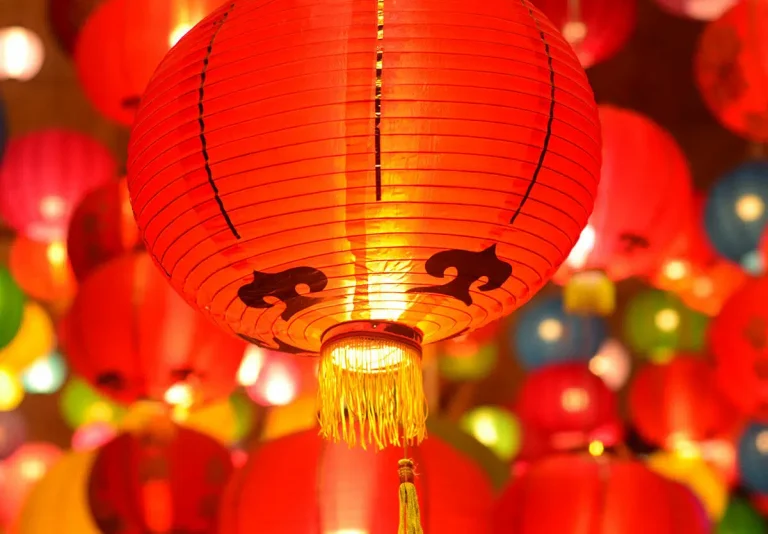
As we bid farewell to the current year, the vibrant and culturally rich celebrations of Chinese New Year 2026 await us with open arms. This traditional festival, also known as Lunar New Year, marks the beginning of the lunar calendar and is celebrated with great enthusiasm and reverence by billions around the world. From mesmerizing parades to mouth-watering feasts, the Chinese New Year 2026 festival promises a sensory overload like no other. Join us on a journey as we delve into the fascinating traditions, auspicious customs, and festive preparations that make this annual event a truly unforgettable experience.
Introduction to Chinese New Year
Chinese New Year 2026 festival is one of the most significant and widely celebrated festivals in the Chinese calendar. Also known as the Spring Festival, it marks the beginning of the lunar new year and is a time for family reunions, feasting, and cultural traditions. The festival usually falls between January 21 and February 20, depending on the lunar calendar.
History and Significance
The origins of Chinese New Year date back thousands of years and are rooted in legend and myth. It is a time to honor ancestors and deities, ward off evil spirits, and welcome good fortune for the coming year. Each year is associated with one of the 12 Chinese zodiac animals, with 2026 being the Year of the Horse.
Celebrations and Customs
During Chinese New Year 2026 festival, homes are cleaned to sweep away bad luck and make way for good luck. Families gather for reunion dinners, exchange red envelopes containing money for luck, and set off fireworks to ward off evil spirits. Temples are visited to pray for health and prosperity.
Food plays a central role in the celebrations, with dishes like dumplings, fish, and longevity noodles eaten for their symbolic meanings of prosperity and longevity. Lion and dragon dances, lantern festivals, and parades are common sights during the festivities.
History and Origins of Chinese New Year
Chinese New Year, also known as the Spring Festival, is the most important traditional Chinese holiday. It has a history of over 3,500 years and is steeped in traditions and customs passed down through generations. The festival marks the beginning of the lunar new year and is a time for families to come together, honor their ancestors, and ward off evil spirits to usher in good luck and prosperity.
Legend of Nian Monster
One popular legend associated with the origins of Chinese New Year is the story of a mythical creature called Nian. According to legend, Nian would come out on the eve of the new year to devour livestock, crops, and even villagers. Villagers later discovered that Nian feared loud noises, bright lights, and the color red. This led to the tradition of setting off fireworks, hanging lanterns, and decorating with red to scare away Nian.
Traditional Practices and Customs
Chinese New Year is celebrated with various customs and rituals that are believed to bring good fortune and drive away bad luck. Some of these include cleaning the house to sweep away bad luck, offering sacrifices to ancestors, exchanging red envelopes (hongbao) filled with money for good luck, and enjoying special festive foods like dumplings and fish for prosperity.
Significance and Traditions of Chinese New Year
Chinese New Year 2026 festival is one of the most significant holidays celebrated by the Chinese community worldwide. This festive occasion marks the beginning of the lunar new year and is deeply rooted in cultural traditions and symbolism.
Significance of Chinese New Year
The Chinese New Year is a time for family reunions, honoring ancestors, and welcoming the arrival of spring. It represents a fresh start, with people cleaning their homes to sweep away bad luck and make way for good fortune.
**2026** This year’s celebrations hold special significance as it marks the Year of the Tiger in the Chinese zodiac, symbolizing strength, courage, and bravery.
Traditional Customs and Rituals
During Chinese New Year, families gather to enjoy lavish feasts, exchange gifts, and participate in various customs. One common tradition is the giving of red envelopes (hongbao) containing money to bring luck and prosperity to the recipients.
- Cleaning and decluttering the house to sweep away bad luck.
- Setting off fireworks and firecrackers to drive away evil spirits.
- Preparing and sharing traditional dishes like dumplings and fish for prosperity.
Celebrations and Festivities during Chinese New Year 2026
Chinese New Year 2026 is an auspicious time filled with vibrant celebrations and traditional festivities. Families gather to usher in the new year with joy, unity, and hope for a prosperous year ahead. The festival offers a unique blend of ancient customs and modern rituals that make it a truly enchanting experience.
Family Reunions and Feasting
One of the highlights of Chinese New Year is the reunion dinner, known as ‘Nian Ye Fan’. Families come together to enjoy a sumptuous feast featuring symbolic dishes like fish for wealth and longevity, dumplings for prosperity, and noodles for longevity. The dinner is a time for bonding and sharing stories.
In addition to the reunion dinner, families also partake in various snacks and treats throughout the festive period. These include traditional sweets like tangyuan and nian gao that symbolize unity and prosperity.
Traditional Practices and Rituals
During Chinese New Year, traditional practices play a significant role in bringing good luck and warding off evil spirits. People often decorate their homes with red lanterns, couplets, and red paper cutouts featuring auspicious phrases and symbols.
- Spring Cleaning: Homes are thoroughly cleaned to sweep away any lingering bad luck and make way for good fortune.
- Lighting Firecrackers: The loud sounds of firecrackers are believed to scare away evil spirits and welcome in the new year with good luck.
- Dragon and Lion Dances: Street performances featuring traditional dragon and lion dances bring prosperity and luck to communities.
Popular Activities and Events during the Chinese New Year Festival
Chinese New Year 2026 Festival is a time of vibrant celebrations and rich traditions. During this festive period, there are several popular activities and events that people can partake in to immerse themselves in the joyous atmosphere.
Dragon and Lion Dances
One of the most iconic spectacles during the Chinese New Year Festival is the traditional Dragon and Lion Dances. These performances are believed to bring good luck and prosperity for the coming year. Spectators can witness these captivating dances with intricate movements and vibrant costumes.
Temple Fairs and Street Markets
Visiting temple fairs and street markets is a popular activity during the Chinese New Year celebrations. These bustling venues offer a wide array of festive foods, traditional crafts, and entertainment. People can indulge in delicious snacks, purchase auspicious decorations, and enjoy live performances.
During the Chinese New Year 2026 Festival, make sure to explore the lively market scenes and immerse yourself in the vibrant atmosphere.
Frequently Asked Questions
-
- What is Chinese New Year?
- Chinese New Year, also known as the Spring Festival, is a significant traditional Chinese holiday that marks the beginning of the new year on the Chinese calendar. It is a time for family gatherings, the honoring of ancestors, and various cultural activities.
-
- When is Chinese New Year 2026?
- Chinese New Year in 2026 falls on February 1st, which marks the beginning of the Year of the Horse.
-
- How is Chinese New Year celebrated?
- Chinese New Year is celebrated with various traditions and customs including family reunions, festive meals, giving red envelopes (hongbao), dragon dances, lighting firecrackers, and decorating homes with red decorations symbolizing luck and prosperity.
-
- What are some traditional Chinese New Year foods?
- Some traditional Chinese New Year foods include dumplings (jiaozi), fish, rice cakes (niangao), longevity noodles, and tangerines. These foods hold symbolic meanings of prosperity, good luck, and longevity.
-
- Are there specific customs to follow during Chinese New Year?
- Yes, there are various customs to follow during Chinese New Year such as cleaning the house to sweep away bad luck, wearing new clothes to symbolize a fresh start, and avoiding taboo words or actions that may bring bad luck.
In Conclusion: A Celebration of Tradition and Togetherness
As we delve into the vibrant tapestry of the Chinese New Year 2026 festival, it becomes evident that this annual celebration is not just a time-honored tradition but a testament to the enduring spirit of unity and renewal. With its rich cultural customs, sumptuous feasts, colorful decorations, and joyful gatherings, the festival encapsulates the essence of family bonds, cultural pride, and hope for the future.
From the mesmerizing lion dances to the mesmerizing fireworks illuminating the night sky, every moment of the Chinese New Year 2026 festival is filled with symbolism and significance. It reminds us to embrace our roots, cherish our loved ones, and welcome each new year with optimism and positivity. So, as we bid farewell to this guide, let us carry the spirit of the festival in our hearts and continue to honor and celebrate the beauty of tradition.