
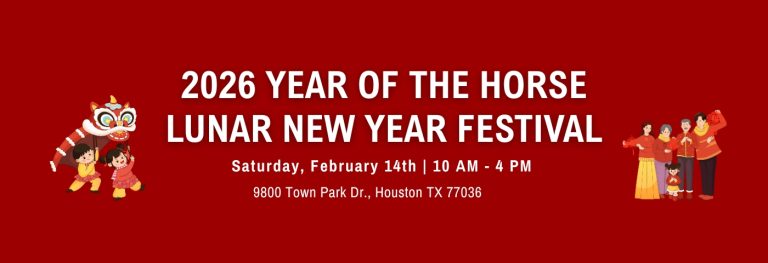
As we welcome the Chinese New Year Festival 2026, it’s time to embrace the rich traditions and vibrant celebrations that come with it. The Chinese New Year, also known as the Spring Festival, is a time of renewal, family gatherings, and age-old customs that date back centuries. This auspicious occasion is eagerly anticipated by millions around the world, symbolizing fresh beginnings and good fortune.
In this comprehensive guide, we will delve into the intricate details of the Chinese New Year Festival 2026, exploring the mesmerizing festivities, delicious culinary delights, mesmerizing decorations, and the significance of each ritual. Join us on this cultural journey as we unravel the beauty and grandeur of one of the most iconic celebrations in the Chinese calendar.
Introduction to Chinese New Year Festival
Chinese New Year Festival 2026 is an auspicious and vibrant celebration that marks the beginning of the lunar new year. Also known as the Spring Festival, it is the most significant traditional festival in Chinese culture, lasting for 15 days.
Traditional Customs and Practices
During the Chinese New Year Festival 2026, families gather for reunions and feasts, exchange red envelopes (hongbao) containing money for good luck, and light firecrackers to ward off evil spirits.
Decorating homes with auspicious symbols like lanterns and couplets, cleaning to sweep away bad luck, and wearing new clothes symbolize new beginnings.
Festive Foods to Enjoy
Delicious traditional dishes are an integral part of the Chinese New Year celebrations. Families indulge in favorites like dumplings, fish, longevity noodles, and sweet rice cakes (nian gao) to bring prosperity and good fortune.
Specialties like tangyuan (glutinous rice balls) represent family unity, while whole chicken dishes symbolize completeness.
History and Significance
Chinese New Year, also known as the Spring Festival, is a significant traditional Chinese holiday that marks the beginning of a new year on the lunar calendar. The festival, celebrated for centuries, is deeply rooted in Chinese culture and holds immense historical and cultural significance.
Origins of Chinese New Year
The origins of the Chinese New Year festival date back to ancient times and are steeped in myth and legend. One popular legend is the story of the monstrous Nian, who terrorized villages until they discovered that loud noises and the color red could scare it away.
Symbolism and Customs
Chinese New Year is a time of rich symbolism and meaningful customs. It represents a time of family reunion, feasting, honoring ancestors, and welcoming the new year with hope and auspiciousness. Red decorations, fireworks, dragon dances, and giving red envelopes (known as “hongbao”) are common customs during the festival.
Traditional Customs and Practices
Chinese New Year Festival 2026 brings with it a rich tapestry of traditional customs and practices that have been passed down through generations. Embracing these customs adds depth and meaning to the festivities.
Lunar New Year Reunion Dinner
The reunion dinner, also known as ‘Nian Ye Fan’, is a significant part of the Chinese New Year celebration. Families gather on New Year’s Eve to enjoy a lavish meal together, symbolizing unity and prosperity for the coming year.
Red Decorations and Clothing
Red, a symbol of good luck and prosperity, dominates the decorations and clothing during Chinese New Year. Homes are adorned with red lanterns and couplets, and people wear red attire to ward off evil spirits and attract positive energy.
Fireworks and Firecrackers
Fireworks and firecrackers are integral to Chinese New Year celebrations, with the loud noises believed to scare away evil spirits. The vibrant displays light up the sky, creating a festive and joyous atmosphere.
Celebratory Food and Drinks
One of the most exciting aspects of the Chinese New Year Festival 2026 is the abundance of celebratory food and drinks that symbolize prosperity, luck, and happiness. Traditional dishes are prepared to honor family and ancestors, creating a culinary experience like no other.
Traditional Chinese Dishes
During the Chinese New Year Festival 2026, families gather to enjoy dishes such as Jiaozi (dumplings), Nian Gao (sticky rice cake), and Yusheng (prosperity toss salad) as they are believed to bring good fortune and happiness in the coming year.
Symbolic Drinks and Treats
Symbolic drinks like Tea and Sweet Rice Wine are often served during the festival to symbolize unity, happiness, and good health. Additionally, Red Bean Paste Buns and Citrus Fruits are enjoyed to bring sweetness and good luck.
Festive Decorations and Symbols
One of the most exciting aspects of the Chinese New Year Festival 2026 is the vibrant and elaborate decorations that adorn homes and streets to welcome the new year. Symbolism plays a significant role in the decorations, with each item holding special meaning and significance.
Red Lanterns
Red lanterns are a ubiquitous symbol of Chinese New Year, believed to bring good luck and drive away evil spirits. They are hung both indoors and outdoors, creating a festive atmosphere.
The lanterns symbolize prosperity and happiness for the coming year.
Fu Character
The Chinese character for “Fu” which means good fortune, is a common decoration seen during the festival. It is often displayed upside down as the word for “upside down” sounds like “arrive” in Chinese, signifying the arrival of good fortune.
- The character “Fu” is usually placed in the center of the entrance door.
Activities and Events during the Festival
Immerse yourself in the vibrant celebrations of the Chinese New Year Festival 2026 with a myriad of exciting activities and events. From traditional performances to interactive cultural displays, there is something for everyone to enjoy.
Dragon and Lion Dances
Witness the mesmerizing dragon and lion dances that symbolize good luck and prosperity for the upcoming year. Feel the energy as the colorful beasts dance to the beat of traditional drums.
Street Parades
Join the lively street parades featuring elaborate floats, glittering costumes, and captivating performances. Marvel at the festive spirit as the procession winds its way through the bustling streets.
Cultural Workshops
Participate in hands-on cultural workshops where you can learn traditional crafts such as paper cutting, calligraphy, and dumpling making. Discover the richness of Chinese heritage through engaging activities.
Fireworks Display
Don’t miss the spectacular fireworks display lighting up the night sky in a dazzling array of colors. Watch in awe as the fireworks paint a vivid backdrop to the jubilant festivities.
Popular Traditions around the World
Exploring traditions from different cultures can be a fascinating journey. As we dive into the realm of celebrations worldwide, we come across unique customs and rituals that define each community. Let’s take a closer look at some of the most popular traditions around the globe.
Chinese New Year Festival Parade
The Chinese New Year Festival parade is a vibrant and colorful spectacle that marks the beginning of the lunar new year. The streets are filled with dragon dances, traditional performances, and lively music, creating a festive atmosphere for all. Participants wear elaborate costumes and carry ornate lanterns, symbolizing prosperity and good luck for the year ahead. chinese new year festival 2026
Russian Maslenitsa Festival
One of Russia’s most beloved traditions is the Maslenitsa Festival, also known as Butter Week. This week-long celebration signifies the end of winter and the beginning of spring. Families gather to enjoy delicious blini (pancakes), participate in outdoor activities, and burn effigies to bid farewell to winter. It is a time of joy and merriment, with songs, dances, and cultural performances filling the streets. chinese new year festival 2026
Frequently Asked Questions
-
- What is Chinese New Year?
- Chinese New Year, also known as the Spring Festival, is the most important traditional festival in Chinese culture. It marks the beginning of the lunar new year and is a time for family reunions, symbolic traditions, and celebrations.
-
- When is Chinese New Year 2026?
- Chinese New Year in 2026 will fall on Monday, January 25th, according to the lunar calendar. It is the Year of the Horse.
-
- What are some traditional customs and activities during Chinese New Year?
- Some traditional customs and activities during Chinese New Year include family gatherings for reunion dinners, giving red envelopes (hongbao) with money, setting off fireworks to ward off evil spirits, and lion dances to bring good luck.
-
- How is Chinese New Year traditionally celebrated?
- Chinese New Year is traditionally celebrated with various rituals and traditions like cleaning the house to sweep away bad luck, decorating with red decorations symbolizing good fortune, and visiting temples to pray for good luck and prosperity in the new year.
-
- What are some typical Chinese New Year foods?
- Some typical Chinese New Year foods include dumplings for wealth, fish for surplus and wealth, rice cakes for higher income and positions, and long noodles for longevity. Each food is symbolic of wishes for the new year.
-
- Are there specific greetings for Chinese New Year?
- Yes, common greetings for Chinese New Year include ‘Gong Xi Fa Cai’ (wishing you prosperity) and ‘Xin Nian Kuai Le’ (Happy New Year). These greetings are often accompanied by well-wishes for health, wealth, and success.
Embracing Chinese New Year Festival 2026
As we conclude our guide to the Chinese New Year Festival 2026, it is evident that this vibrant celebration is not just a holiday but a profound cultural experience. With lively parades, traditional performances, and mouth-watering delicacies, the festival offers a glimpse into the rich tapestry of Chinese heritage and values. From the symbolic red decorations to the infectious joy of lion dances, every aspect of this festival reflects unity, prosperity, and good fortune. Embracing the traditions of Chinese New Year is not just about observing customs; it’s about celebrating a culture that has withstood the test of time and continues to inspire awe and admiration. So, as we bid farewell to this guide, let us carry forward the spirit of the festival – togetherness, hope, and endless opportunities for a prosperous new year.