Delving into the annals of history, the English Civil War stands out as a pivotal moment that reshaped the political landscape of England. At the heart of this tumultuous conflict lies the pressing question – what event precipitated the English Civil War? Countless theories and historical perspectives offer glimpses into the catalysts that ignited this watershed moment in English history. From the struggle for power between the monarchy and Parliament to religious tensions and economic strife, various factors culminated in a perfect storm. Join us on a journey to unravel the enigma that led to one of the most significant events in British history – the English Civil War.

Introduction: Setting the Stage
The English Civil War was a pivotal moment in English history, marked by political unrest and social upheaval. Understanding what event precipitated the English Civil War requires delving into the complexities of the time.
The Reign of Charles I
Charles I’s reign was characterized by tensions between the monarchy and Parliament, leading to a power struggle that would ultimately ignite the flames of conflict. The years leading up to the outbreak of the English Civil War in 1642 were fraught with discontent.
The Petition of Right
One of the key events that precipitated the English Civil War was the Petition of Right in 1628. This document sought to limit the king’s power and reaffirm the rights of Parliament, setting the stage for future confrontations.

Background of the English Civil War
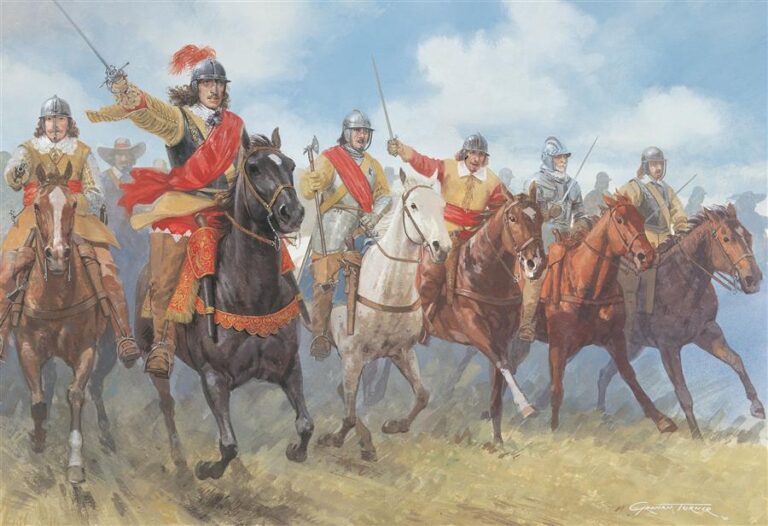
The English Civil War was a series of armed conflicts and political machinations between Parliamentarians (“Roundheads”) and Royalists (“Cavaliers”) in the mid-17th century in England.
Causes of the English Civil War
One of the key events that precipitated the English Civil War was the Long Parliament’s opposition to King Charles I’s policies and financial demands, eventually leading to his attempt to arrest five Members of Parliament in 1642.
This ignited tensions between the monarch and Parliament, resulting in a power struggle that escalated into full-blown conflict.
Key Players in the English Civil War
Charles I: The monarch whose actions and policies fueled the discontent that ultimately led to the Civil War.
Oliver Cromwell: A prominent Parliamentarian leader who played a crucial role in the Parliament’s victory and the execution of Charles I.
Key Players and Factors Leading Up to the Conflict
The English Civil War, triggered by escalating tensions between the Royalists and Parliamentarians, was a pivotal event in British history. Charles I, the King of England, and Parliament, led by figures like Oliver Cromwell, were key players in this conflict.
Charles I
Charles I believed in the divine right of kings, leading to clashes with Parliament over his absolutist rule.
His unpopular policies, such as imposing taxes without Parliament’s consent, deepened the rift.
Oliver Cromwell
Oliver Cromwell, a military leader and later Lord Protector, played a crucial role in the Parliamentarian victory.
- His New Model Army revolutionized warfare in England.
- Cromwell’s leadership and strategic acumen were instrumental in the outcome of the war.
The Event that Precipitated the English Civil War
One pivotal event that precipitated the English Civil War was the long-standing tension between King Charles I and Parliament, stemming from disagreements over power and authority. This culminated in the summoning of the Short Parliament in 1640, followed by the Long Parliament later that same year. These events set the stage for the growing conflict that eventually led to the outbreak of civil war in 1642.
Disputes over Authority
The ongoing disputes over authority between King Charles I and Parliament intensified as the king attempted to assert his absolute rule, clashing with Parliament’s desire for more power and influence in governing the country. This power struggle laid the groundwork for the ensuing conflict.
Religious and Political Divide
The deepening religious and political divide in England, particularly between the Royalists who supported the king and the Parliamentarians who sought greater liberties and reforms, further exacerbated tensions leading to a point of no return. This growing divide fueled the flames of discontent that eventually ignited the English Civil War.
- The Royalists backed the monarchy and the Church of England.
- The Parliamentarians championed parliamentary supremacy and religious freedom.
Consequences and Impact of the English Civil War
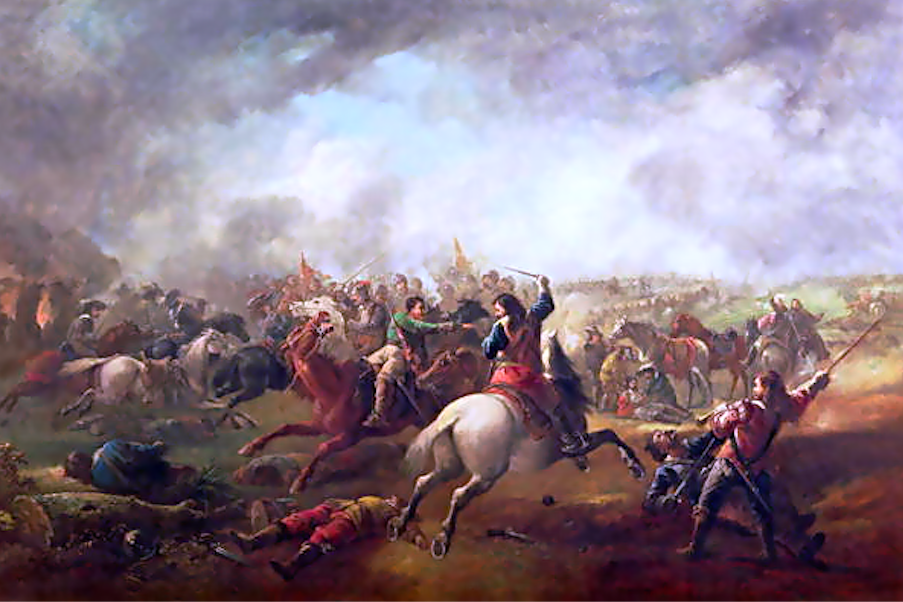
The English Civil War, sparked by what event precipitated it, had far-reaching consequences and left a lasting impact on England’s political, social, and economic landscape. The aftermath of the war reshaped the monarchy, parliament, and society as a whole.
Social Consequences
The war caused deep divisions within English society, pitting Royalists against Parliamentarians and leading to widespread destruction and loss of life. Communities were torn apart, families divided, and the fabric of society forever altered.
The social upheaval caused by the war led to significant changes in the way people viewed authority and power relationships.
Political Consequences
The English Civil War marked a decisive shift in the balance of power between the monarchy and parliament. The execution of Charles I and the establishment of the Commonwealth under Oliver Cromwell signaled the end of absolute monarchy and the rise of parliamentary sovereignty.
- This period laid the groundwork for modern parliamentary democracy and constitutional monarchy in England.
- The war also set a precedent for future conflicts over the distribution of power within the English government.
Analysis and Interpretation of Historical Perspectives
Understanding what event precipitated the English Civil War requires delving into the historical perspectives of the time. The political, social, and economic landscape of 17th-century England was tumultuous, with escalating tensions between the monarchy and Parliament.
Root Causes of Conflict
The buildup of power struggles, religious divisions, and disputes over taxation fueled the underlying causes of the English Civil War. Charles I’s autocratic rule and attempts to assert royal authority clashed with Parliament’s desire for more control.
Key Events and Turning Points
The 1629 dissolution of Parliament by Charles I marked a significant turning point, leading to the *Personal Rule* where the king ruled without Parliament. The Long Parliament convened in 1640 in response to the crises but further deepened divisions.
- Execution of Charles I in 1649
- Rise of Oliver Cromwell and the Commonwealth
- Restoration of the monarchy with Charles II in 1660
Frequently Asked Questions
-
- What were the main causes of the English Civil War?
- The main causes of the English Civil War included conflicts between the monarchy and Parliament over power, religious tensions, and economic issues.
-
- How did the events unfold that led to the English Civil War?
- Events unfolded as tensions between King Charles I and Parliament escalated, leading to a breakdown in trust and ultimately armed conflicts.
-
- Which event is considered the tipping point that precipitated the English Civil War?
- The attempted arrest of five Members of Parliament by King Charles I in 1642 is often viewed as the tipping point that led to the outbreak of the English Civil War.
-
- What role did religion play in the English Civil War?
- Religion played a significant role in the English Civil War as conflicts between Anglicans, Puritans, and Catholics added fuel to the existing tensions.
-
- How did the English Civil War impact the future of England?
- The English Civil War had long-lasting impacts on England, leading to the trial and execution of King Charles I, the establishment of a Commonwealth under Oliver Cromwell, and ultimately shaping the path towards a constitutional monarchy.
Unraveling the Enigma: Key Takeaways and Final Thoughts
After delving into the depths of history and exploring the intricate web of events leading to the English Civil War, it becomes clear that the underlying catalyst was the long-standing tensions between the monarchy and Parliament. However, pinpointing a single event as the sole cause would oversimplify the complexity of this period. The attempted arrest of the Five Members, the Petition of Right, and the religious and political divide all played crucial roles in the escalation of conflict.
Ultimately, the English Civil War was a culmination of years of power struggles and ideological differences, highlighting the importance of effective governance and balance of power in a nation. Remembering these lessons from history can guide us in navigating contemporary challenges and emphasizing the significance of unity and compromise for the greater good.