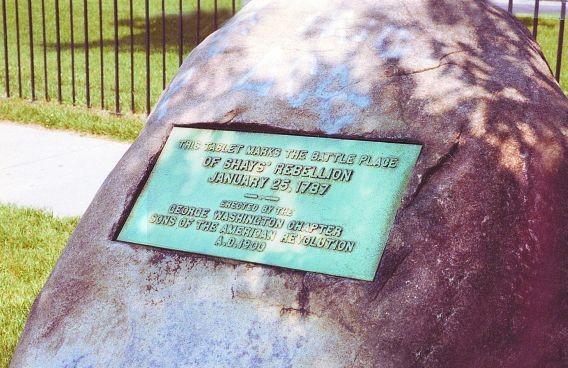
Delving into the historical intricacies of Shays’s Rebellion requires us to meticulously dissect the events that precipitated this pivotal moment in American history. One burning question that often arises is: what event surrounding Shays’s Rebellion occurred first? By unraveling the sequence of events leading up to this significant uprising, we can gain a deeper understanding of the socio-political climate of that time. This blog aims to shed light on the chronological order of events that set the stage for Shays’s Rebellion, offering insight into the initial catalyst that sparked this revolutionary movement. Join us on a journey through history as we piece together the puzzle of Shays’s Rebellion, starting from its very origins.

Introduction: Exploring Shays’s Rebellion
Shays’s Rebellion was a significant event in American history, highlighting the challenges faced by farmers in the post-Revolutionary War period. The rebellion took place in 1786-1787, making it a crucial moment in shaping the young nation’s politics and economy.
The Economic Struggles of Farmers
Many farmers, particularly in rural areas, were burdened with heavy debts and high taxes following the war. This led to widespread economic hardship, pushing farmers to the brink of financial ruin.
Shays’s Rebellion Ignites
In 1786, **the events leading up to Shays’s Rebellion began with farmers in western Massachusetts facing severe economic challenges**, prompting some to take up arms against the state government. Led by Daniel Shays, a Revolutionary War veteran, the rebels protested against foreclosures and high taxes.
Background of Shays’s Rebellion
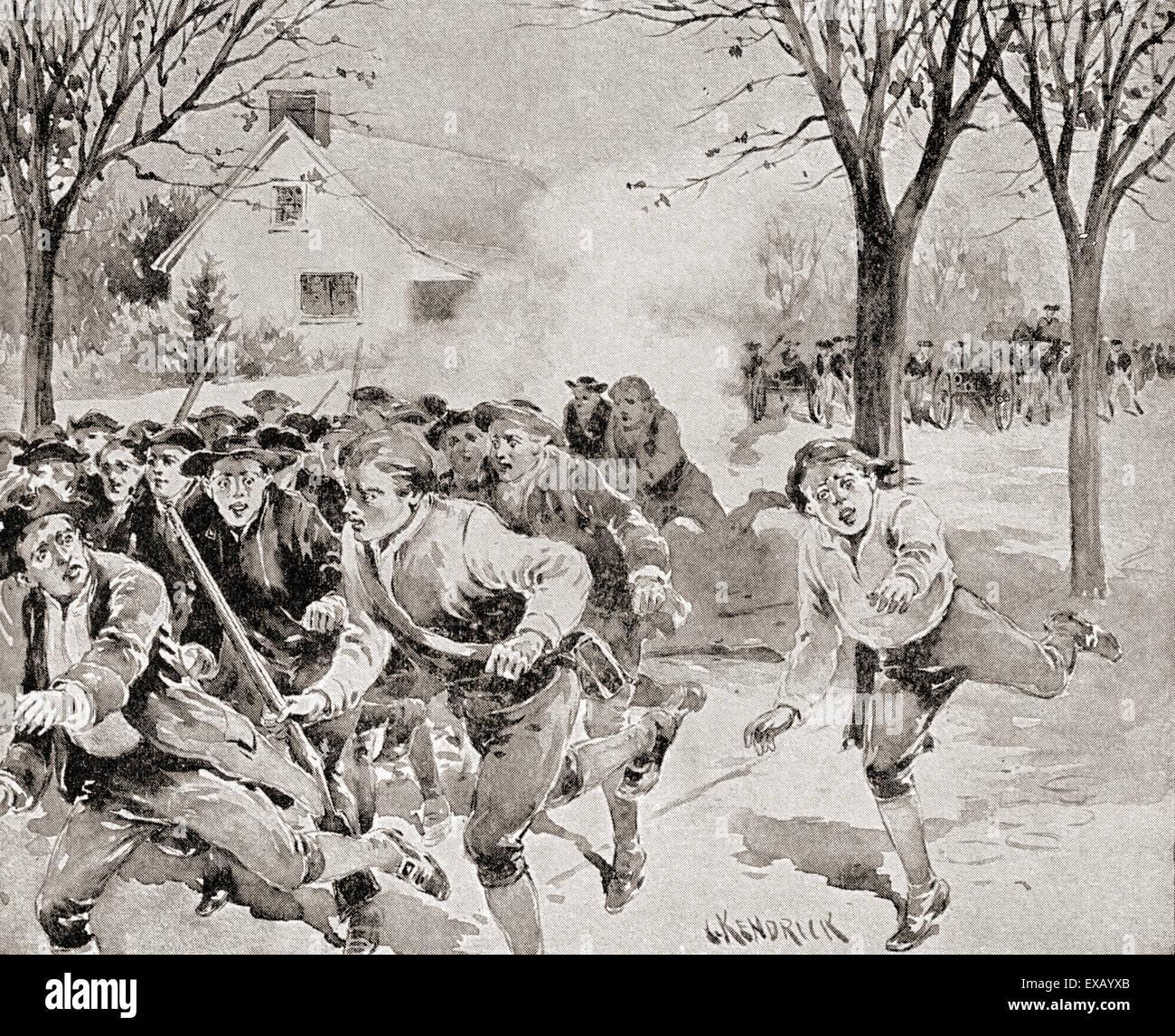
Shays’s Rebellion was a significant event that occurred in 1786-1787. It was a revolt led by American farmers against state and local enforcement of tax collections and judgments for debt. The rebellion was named after its leader, Daniel Shays, a former Revolutionary War soldier.
Causes of Shays’s Rebellion
The rebellion was triggered by economic hardships faced by farmers in post-Revolutionary War America. Many farmers were burdened by heavy taxes, debt, and lack of economic support, leading to widespread discontent.
**Financial Struggle** was the key factor behind the uprising.
Events Leading to Shays’s Rebellion
**Increased Taxes**: After the war, the government imposed high taxes on farmers, making it difficult for them to repay their debts.
**Debt Repossessions**: Debtors faced aggressive actions from creditors, including property seizures and imprisonment, further fueling the anger among farmers.
Causes of Shays’s Rebellion
Shays’s Rebellion, a significant event in American history, was primarily caused by economic hardship and political unrest. The rebellion, which occurred in the 1780s, was a direct result of the financial struggles faced by many farmers and veterans following the American Revolutionary War.
Economic Hardship
The first major cause was the economic hardship experienced by farmers in post-war America. What event surrounding Shays’s Rebellion occurred first was the inability of farmers to pay off their debts and taxes due to the lack of a stable currency system.
Political Unrest
Another contributing factor was the political unrest stemming from the ineffective Articles of Confederation. The lack of a strong central government led to issues such as states imposing heavy taxes and debt collection measures, further aggravating the already struggling farmers.

Major Events Leading to Shays’s Rebellion
Shays’ Rebellion was triggered by a series of events that sparked economic turmoil and civil unrest in Massachusetts during the late 18th century.
High Taxes and Debt
In the early 1780s, farmers in western Massachusetts were burdened by high taxes imposed by the state government. The heavy tax burden led to widespread debt among farmers, pushing many towards insolvency.
Foreclosures and Seizures
The economic hardship faced by farmers resulted in a wave of foreclosures and property seizures. Many farmers risked losing their land and homes due to their inability to pay off debts.
Analysis of the Key Events
When diving into the sequence of events surrounding Shays’s Rebellion, it is crucial to pinpoint the initial occurrence. Understanding what event surrounding Shays’s Rebellion occurred first provides valuable insights into the catalyst of this significant historical event.
The Spark: Economic Hardships
The roots of Shays’s Rebellion can be traced back to economic hardships faced by farmers in post-Revolutionary War America.
Small-scale farmers in rural areas were burdened by mounting debt, high taxes, and lack of financial support, leading to increasing unrest.
Mobilization of Rebellion
In response to these challenges, farmers rallied to demand relief and change, culminating in the formation of rebellious groups across Massachusetts.
- The mounting tensions and discontent among farmers eventually manifested into organized protests and acts of defiance.
- Shays’s Rebellion marked a turning point in the fight for economic justice and fueled debates on the stability of the newly formed nation.
Significance of the First Event
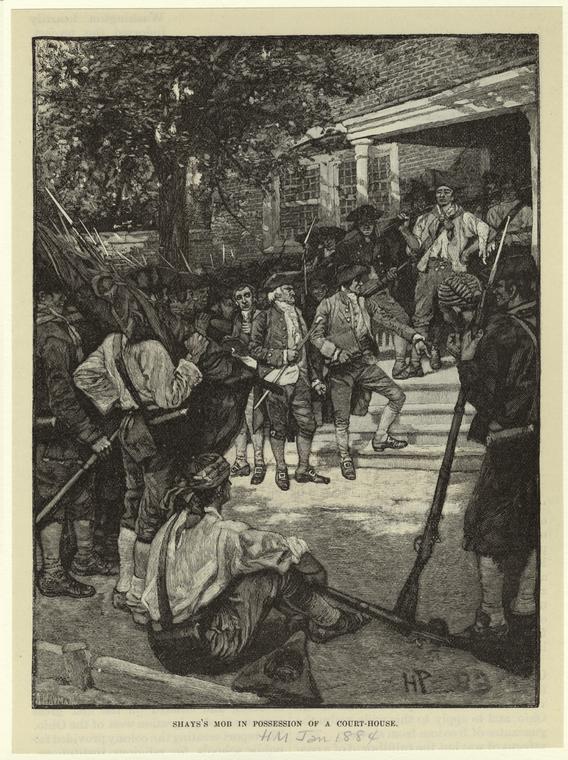
Understanding what event surrounding Shays’s Rebellion occurred first is crucial in unraveling the sequence of events. The first event sets the stage for the rest of the rebellion and plays a pivotal role in shaping its outcome.
Key Leaders Emergence
The emergence of key leaders marked the beginning of the rebellion. Strong leadership was essential in galvanizing the rebels and organizing their efforts towards a common goal.
Without the leadership of influential figures, such as Daniel Shays, the rebellion may not have gained the momentum it did.
Call to Action
The initial call to action served as a catalyst for the rebellion. It ignited a fire within the oppressed groups, urging them to rise against the oppressive measures imposed upon them.
- Organizing meetings and spreading the message was key to garnering support for the cause.
- The first event activated a sense of solidarity among the rebels, uniting them in their pursuit of justice.
Impact of the First Event on Shays’s Rebellion
Shays’ Rebellion was sparked by economic hardship among farmers due to high taxes and debt. The first event that triggered the rebellion was the economic recession of 1786, leading to widespread poverty and foreclosures on farmers’ lands.
Escalation of Tensions
This economic downturn exacerbated the grievances of the farmers who felt oppressed by the government’s tax policies. The situation intensified as more farmers faced financial ruin.
Organizing the Rebellion
To protest against these injustices, farmers in western Massachusetts began organizing and eventually formed armed groups to resist the authorities. This marked the beginning of the rebellion.
Comparison with Subsequent Events
After understanding the sequence of events surrounding Shays’s Rebellion, it is crucial to compare it with subsequent events to grasp its impact.
Impact on Political Landscape
Following Shays’s Rebellion, there was a heightened awareness of the weaknesses in the Articles of Confederation.
This led to the Constitutional Convention of 1787, where the U.S. Constitution was drafted and ratified to address these deficiencies what event surrounding shays’s rebellion occurred first.
Economic Reforms
The rebellion highlighted the economic struggles faced by many farmers, prompting discussions on agrarian issues.
- Legislative measures such as the establishment of bankruptcy laws aimed to provide relief to debt-ridden individuals.
Repercussions and Legacy of Shays’s Rebellion
Shays’s Rebellion, a pivotal event in American history, had lasting repercussions that shaped the nation’s future.
Impact on Governance
The rebellion highlighted weaknesses in the Articles of Confederation, ultimately leading to the drafting of the U.S. Constitution.
Furthermore, it spurred debates on the balance of power between state and federal governments.
Economic Effects
The uprising exposed economic disparities and fueled discussions on debt relief and taxation policies.
It paved the way for economic reforms and set the stage for future financial regulations.
Frequently Asked Questions
-
- What was Shays’s Rebellion?
- Shays’s Rebellion was an armed uprising that took place in Massachusetts in 1786-1787 led by Revolutionary War veteran Daniel Shays.
-
- Why is Shays’s Rebellion significant?
- Shays’s Rebellion is significant as it highlighted the economic struggles faced by many farmers and the weaknesses of the Articles of Confederation in dealing with such unrest.
-
- What was the primary cause of Shays’s Rebellion?
- The primary cause of Shays’s Rebellion was the economic hardships faced by farmers, including high taxes, debt, and lack of government support.
-
- Which event surrounding Shays’s Rebellion occurred first?
- The economic downturn following the American Revolution and the increase in debt and taxes on farmers occurred before the actual rebellion.
-
- How did Shays’s Rebellion end?
- Shays’s Rebellion was ultimately crushed by the state militia, and many of the rebels were later pardoned or had their sentences reduced.
Unveiling the Sequence: Unraveling Shays’s Rebellion Events
In conclusion, understanding the chronological order of events surrounding Shays’s Rebellion is crucial for grasping its historical significance. The primary event that occurred first was the economic turmoil faced by farmers in the aftermath of the Revolutionary War, leading to discontent and financial struggles. This dissatisfaction culminated in Daniel Shays’s uprising against the Massachusetts government, sparking a chain of events that highlighted the weaknesses of the Articles of Confederation and ultimately paved the way for the Constitution. By delving into the sequence of events, we gain insight into the complexities of early American history and the enduring impact of rebellion on shaping the nation’s future.