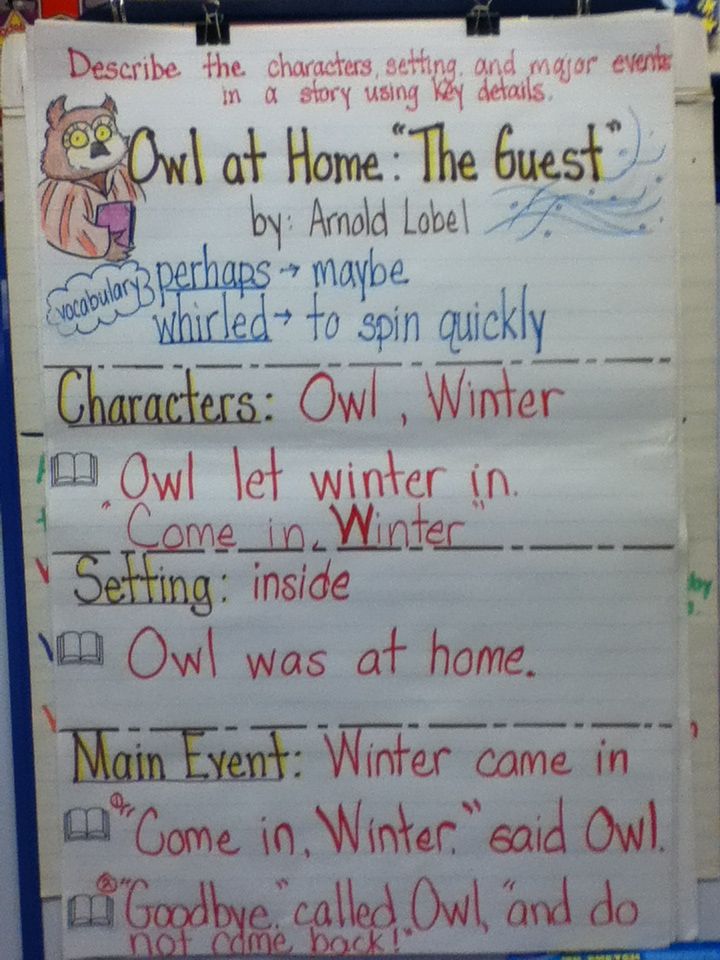
Stories are often filled with twists and turns, leading readers on a captivating journey. But amidst the plot intricacies lies the essence of every narrative – major events. These pivotal moments shape the trajectory of the story, driving character development and heightening suspense. But what exactly constitutes a major event in a story? How does it differ from regular plot points or minor occurrences? In this blog, we delve into the core of storytelling by demystifying the concept of major events. By understanding their significance and impact, we unravel the key elements that make a story truly unforgettable. Let’s embark on a quest to unravel the mystery behind major events in storytelling.

Introduction to Major Events in a Story
Major events in a story are pivotal moments that drive the narrative forward, creating tension, excitement, and character development. These events are significant turning points that impact the plot and shape the outcome of the story.
The Role of Major Events
Major events serve as catalysts for change and transformation within the story. They propel the characters towards their goals, introduce conflict, and build momentum towards the climax. Without these events, the story may lack depth and fail to engage the audience effectively.
By creating twists and revelations, major events keep the readers or viewers hooked and eager to discover what happens next. They provide the necessary drama and intrigue that make a story memorable and impactful.
Examples of Major Events
Some classic examples of major events in a story include a protagonist’s decision to embark on a life-changing journey, a shocking betrayal by a trusted ally, or a climactic battle between good and evil forces.
- The protagonist discovers a long-hidden family secret that alters their perception of reality.
- A sudden natural disaster threatens the safety of the protagonist and their companions.
/https://tf-cmsv2-smithsonianmag-media.s3.amazonaws.com/filer_public/54/66/546650fa-26a4-40fd-8d6d-5a7a04540f81/rosetta2.png)
Definition and Significance of Major Events
Major events in a story are pivotal moments or turning points that significantly impact the plot, characters, and overall narrative. These events often set the course for the story’s development and lead to dramatic changes or revelations. Understanding what constitutes a major event is crucial for both readers and writers, as they help drive the storyline forward and engage the audience.
Key Characteristics
Major events are characterized by their importance in shaping the story’s progression. They are not merely incidental occurrences but rather essential elements that drive the narrative forward. These events can include plot twists, conflicts, climactic points, revelations, or significant character developments.
Significance in Storytelling
Major events serve as the backbone of a compelling narrative, keeping readers engaged and invested in the story. They create tension, suspense, and emotional impact, driving the plot towards its resolution. By strategically placing major events throughout the story, writers can create a dynamic and captivating narrative that resonates with the audience.
Understanding the significance of major events can help writers craft more engaging and impactful stories that resonate with readers on a deeper level. By carefully structuring these events and building towards them, writers can create a sense of anticipation and payoff that keeps the audience hooked.

Types of Major Events in a Story
In any engaging story, major events play a crucial role in driving the plot forward, creating suspense, and keeping readers hooked. These events are pivotal moments that significantly impact the characters or the storyline.
Character Development Events
Character development events focus on the growth and transformation of the main characters. These events can include moments of self-discovery, overcoming challenges, or making critical decisions that shape their journey.
Character revelations enhance the depth of the narrative, allowing readers to connect with the protagonists on a more profound level.
Plot Twists and Climactic Events
Plot twists and climactic events are key elements that keep the audience engaged and eager to unravel the story’s mysteries. These events are often unexpected and can completely alter the direction of the plot.
- Unexpected betrayals or alliances
- Revealing long-hidden secrets
- Dramatic confrontations or revelations
Conflict Resolution Events
Conflict resolution events mark the climax of the story, where tensions reach their peak and conflicts are resolved. These events provide closure to the narrative and often lead to character growth and transformation.
Resolving inner conflicts adds depth and emotional impact to the storyline.
Examples of Major Events in Popular Stories
Major events are pivotal moments in a story that significantly impact the plot, characters, and overall narrative. These events often drive the story forward, introduce conflict, or lead to character development. Let’s explore some examples of major events in popular stories.
The Battle of Hogwarts in Harry Potter and the Deathly Hallows
In the final installment of the Harry Potter series, the Battle of Hogwarts serves as a major event where the forces of good and evil clash in an epic showdown. This battle leads to significant losses and ultimately determines the fate of the wizarding world.
The sacrifices made during this battle emphasize the themes of love, friendship, and bravery that are central to the series.
The Red Wedding in Game of Thrones
The Red Wedding is a major event in George R.R. Martin’s “A Storm of Swords” and the corresponding Game of Thrones TV series. This betrayal-filled massacre shocks audiences as key characters meet their demise in a brutal and unexpected fashion.
The Red Wedding stands out as a defining moment that reshapes the power dynamics in the world of Westeros.
Impact of Major Events on Character Development
Major events play a crucial role in shaping the development of characters in a story. These events can range from personal experiences to world-changing occurrences, all of which have the power to influence how a character evolves throughout the narrative.
Emotional Growth
One significant impact of major events is the emotional growth of characters. When faced with challenges or pivotal moments, characters are forced to confront their feelings, fears, and desires, leading to a deeper understanding of themselves and their motivations. This introspection might lead to a transformation or shift in their personalities.
Behavioral Changes
Major events can also prompt behavioral changes in characters. For example, a traumatic experience could alter their actions, decisions, or interactions with others. These changes can add complexity to the character, making them more dynamic and multi-dimensional. Such transformations add layers to their story arcs, making them more relatable and engaging to the readers.
Frequently Asked Questions
-
- What defines a major event in a story?
- A major event in a story is a significant occurrence that drives the plot forward or creates a turning point in the narrative.
-
- How is a major event different from minor events in a story?
- Major events in a story are pivotal moments that have a significant impact on the characters or the storyline, while minor events are smaller incidents that contribute to the overall development but are not as crucial.
-
- Can a major event occur at any point in a story?
- Yes, a major event can happen at any point in a story, but they are often strategically placed to build tension, reveal important information, or shift the direction of the plot.
-
- What role do major events play in keeping the reader engaged?
- Major events play a crucial role in keeping the reader engaged by adding excitement, suspense, and intrigue to the storyline. They create momentum and drive the narrative forward, making the reader eager to discover what happens next.
Final Thoughts
Understanding what constitutes a major event in a story is crucial for both writers and readers alike. Major events are pivotal moments that drive the plot forward, create tension, and propel character development. By identifying these key moments, we can appreciate the significance of each twist and turn within a narrative.
Major events are the building blocks of a story, shaping its structure and impact on the audience. Whether it’s a dramatic revelation, a significant decision, or a climactic battle, these events leave a lasting impression on the reader and contribute to the overall storytelling experience.
So, the next time you delve into a story, pay close attention to its major events, and see how they shape the narrative landscape, making the journey all the more engaging and memorable.