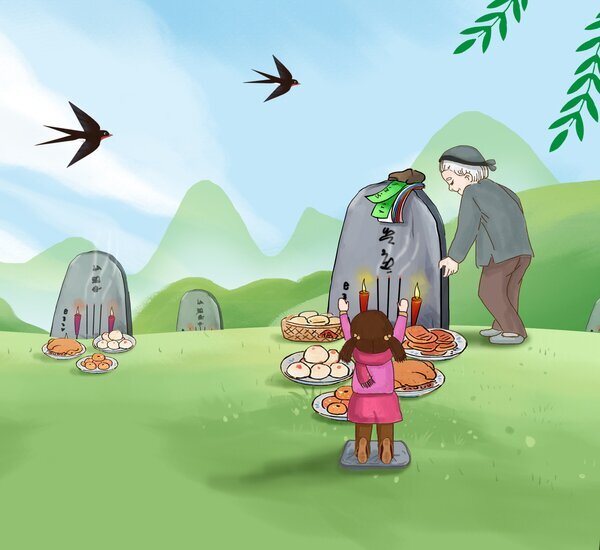
Welcome to our blog where we delve into the rich traditions and cultural significance of the upcoming Ching Ming Festival 2026. This annual festival, also known as Qingming or Tomb-Sweeping Day, holds profound importance in Chinese culture as a time to honor ancestors, pay respects to the departed, and connect with one’s familial roots. In this blog series, we will explore the historical origins, customary practices, and modern-day celebrations surrounding the Ching Ming Festival 2026. Join us on a journey of remembrance and reverence as we uncover the deep-rooted traditions that make this festival a cherished time for families to come together and honor their heritage.

Introduction to Ching Ming Festival 2026
The Ching Ming Festival, also known as Tomb-Sweeping Day, is a traditional Chinese festival observed to honor and pay respects to ancestors. In 2026, the Ching Ming Festival falls on April 4th. It is a time for families to gather at ancestral gravesites, clean the tombs, offer food and incense, and pay tribute to their departed loved ones.
History and Significance
The Ching Ming Festival dates back over 2500 years to the Zhou Dynasty and holds profound cultural significance in Chinese society. It is believed that by performing ancestral rituals and offerings, the spirits of the deceased are appeased and blessings are bestowed upon the living.
Cultural Customs
During the Ching Ming Festival, families visit cemeteries to sweep and clean the gravesites, offer food such as ‘baijiu’ and fruits, burn incense, and light symbolic paper money as a way to provide for the departed in the afterlife.
History and Origin of Ching Ming Festival
The Ching Ming Festival, also known as Qingming or Tomb-Sweeping Day, is a traditional Chinese festival that dates back over 2500 years. It falls on the 15th day after the Spring Equinox, usually around April 4th or 5th. This festival is a time to pay respects to ancestors by visiting their graves, cleaning the tombstones, making offerings, and burning incense.
Origins in Ancient China
Ching Ming Festival has its roots in ancient China when people honored their ancestors by making offerings to appease their spirits. It was believed that by tending to the graves of their ancestors, families would receive blessings and protection.
Evolution of Traditions
Over the centuries, the customs and rituals associated with the Ching Ming Festival have evolved. Today, in addition to paying respects to ancestors, people also enjoy outdoor activities like flying kites, having picnics, and enjoying the blooming of spring flowers.
Traditions and Customs of Ching Ming Festival
The Ching Ming Festival, observed in 2026 according to the lunar calendar, is a time-honored tradition in Chinese culture where families pay respects to their ancestors by visiting their graves. During this festival, it is customary to clean the tombs, offer food, burn incense, and make offerings as a sign of respect and remembrance.
Cleaning of Ancestors’ Graves
One of the central customs of the Ching Ming Festival is the cleaning of ancestors’ graves. Families gather to sweep the tombs, remove weeds, and ensure that the final resting place of their loved ones is well-maintained and respected. This act symbolizes reverence and filial piety toward ancestors.
Offerings and Prayer
During the Ching Ming Festival, families prepare food offerings such as fruit, rice cakes, and other traditional delicacies to be placed on the tombs of their ancestors. Additionally, burning incense is a common practice to pay homage to departed spirits and seek blessings for the family.
Family Gatherings
Ching Ming is also a time for families to come together and honor their ancestors collectively. Relatives often gather at the gravesites, share stories about their forebears, and participate in ancestor worship rituals as a way to strengthen family bonds and traditions.
Significance of Ching Ming Festival in 2026
The Ching Ming Festival in 2026 holds immense significance as it continues to be a time for remembrance and reverence for ancestors. Families come together to pay respects to their dearly departed by visiting their graves, cleaning tombstones, and offering food and burning incense as a sign of respect.
Traditional Practices
During the Ching Ming Festival 2026, families engage in various traditional practices such as sweeping the tombs, burning paper offerings, and offering symbolic items like fruits and tea to honor their ancestors.
Connection with Nature
This festival also emphasizes the importance of nature and the environment. Families often take the opportunity to enjoy the outdoors, admiring the blooming flowers and trees, and appreciating the beauty of the natural world during this time of remembrance.
- Connecting with nature during Ching Ming Festival helps individuals find solace and peace in the midst of honoring the deceased.
- It serves as a reminder to cherish the earth and its offerings, fostering a sense of gratitude and respect for the environment.
Ways to Celebrate Ching Ming Festival
Ching Ming Festival 2026, also known as Tomb-Sweeping Day, is a time-honored tradition where families gather to pay respect to their ancestors. Here are some meaningful ways to celebrate this solemn occasion:
Visit Ancestors’ Graves
Take the time to visit the graves of your ancestors to clean the tombstones, offer flowers, and burn incense as a sign of respect.
Remember to follow traditional customs like bowing three times, making offerings of food and wine, and lighting red candles.
Prepare Qingming Dishes
One of the important traditions of Ching Ming is the preparation of Qingming dishes, also known as “cold food”. These dishes are made a day before the festival and include items like cold meats, fruits, and pastries.
These delicacies signify the coming of spring and are meant to pay homage to the deceased loved ones.
- Qingming cakes
- Sweet green rice balls
- Smoked fish
- And other traditional foods
Frequently Asked Questions
-
- What is Ching Ming Festival?
- Ching Ming Festival, also known as Tomb-Sweeping Day, is a traditional Chinese festival where people pay respects to their ancestors by visiting and cleaning their gravesites.
-
- When does Ching Ming Festival take place?
- Ching Ming Festival usually falls on April 4th or 5th of the Gregorian calendar, marking the beginning of warmer weather and the coming of spring.
-
- What are some common activities during Ching Ming Festival?
- Some common activities during Ching Ming Festival include cleaning ancestors’ graves, offering food and burning incense as a sign of respect, and flying kites to ward off evil spirits.
-
- How is Ching Ming Festival celebrated?
- Ching Ming Festival is celebrated by families gathering at the gravesites of their ancestors to pay respects, offer food and burn incense, and participate in traditional rituals to honor the deceased.
-
- What is the significance of Ching Ming Festival?
- Ching Ming Festival is a time for remembrance and reverence, where people honor their ancestors, reflect on their family’s history, and show gratitude for the sacrifices made by those who came before them.
Reflecting on Ching Ming Festival 2026
In conclusion, as we delve into the rich traditions of Ching Ming Festival 2026, we are reminded of the profound significance of honoring our ancestors and connecting with our roots. This annual observance serves as a poignant reminder of the importance of remembrance, reverence, and family unity. Through the act of tomb sweeping, offering tributes, and sharing meals, we cherish the memories of those who have passed and nurture the bonds that transcend generations. As we embrace the customs and rituals of Ching Ming, we are not just preserving traditions but also fostering a deep sense of cultural identity and legacy for the future.